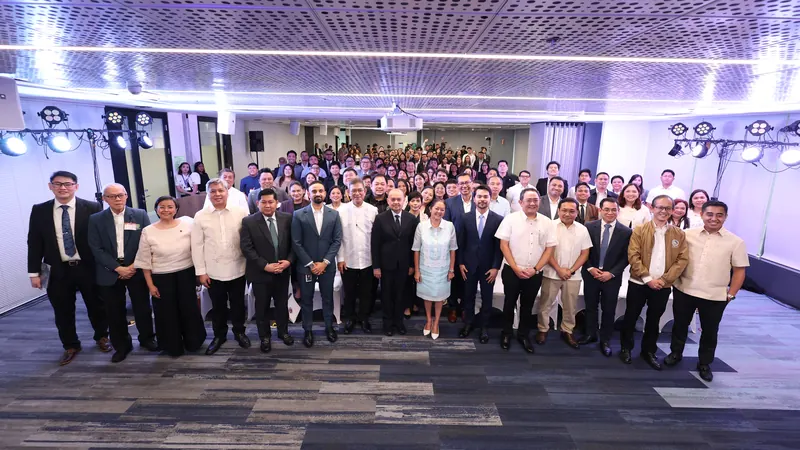
AI & Blockchain Governance in the Philippines: Twala’s Atty. Bagro Speaks at Future Ready Pilipinas 2026
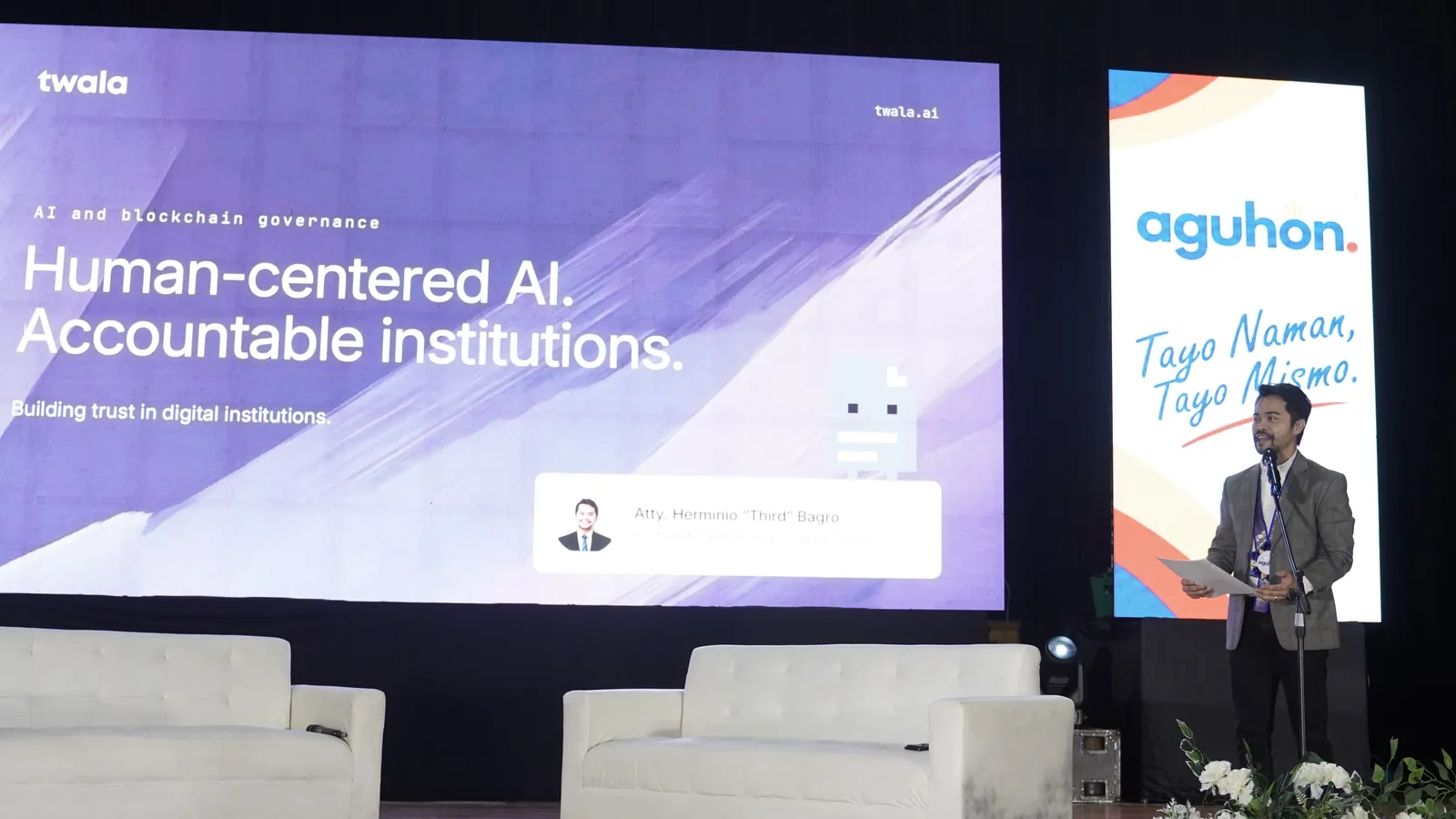
October 22, 2026 — Atty. Herminio “Third” Bagro III, Co-founder and General Counsel of Twala, spoke on AI and blockchain governance at Future Ready Pilipinas 2026, hosted by the Aguhon Movement for Governance, Inc. (AMG). The event brought together more than 1,000 participants from the youth sector, government, academe, business, civil society, and local communities.
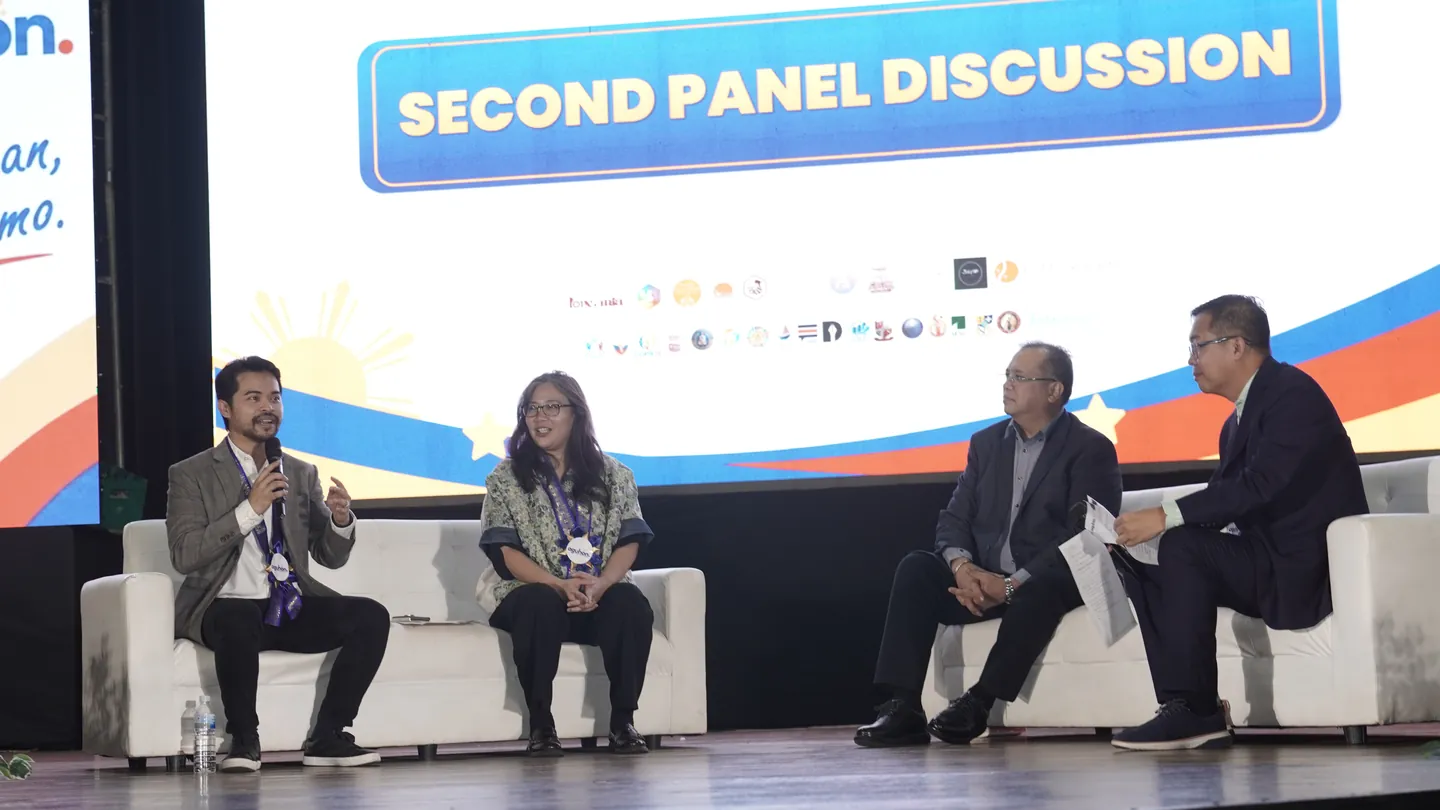
Bagro sat on the panel “AI & Governance: Preparing Institutions to Lead & Respond,” with a presentation titled “AI & Blockchain Governance: Strengthening Trust, Accountability, and Institutional Resilience.” His title slide put the idea in four words: “Human-centered AI. Accountable institutions.”
A youth movement for good governance
AMG is a youth-led, non-stock, non-profit civic organization. It started in 2023 as a school-based initiative and has grown into a national platform where young people and other sectors meet to discuss governance and national development. Its name means “compass.”
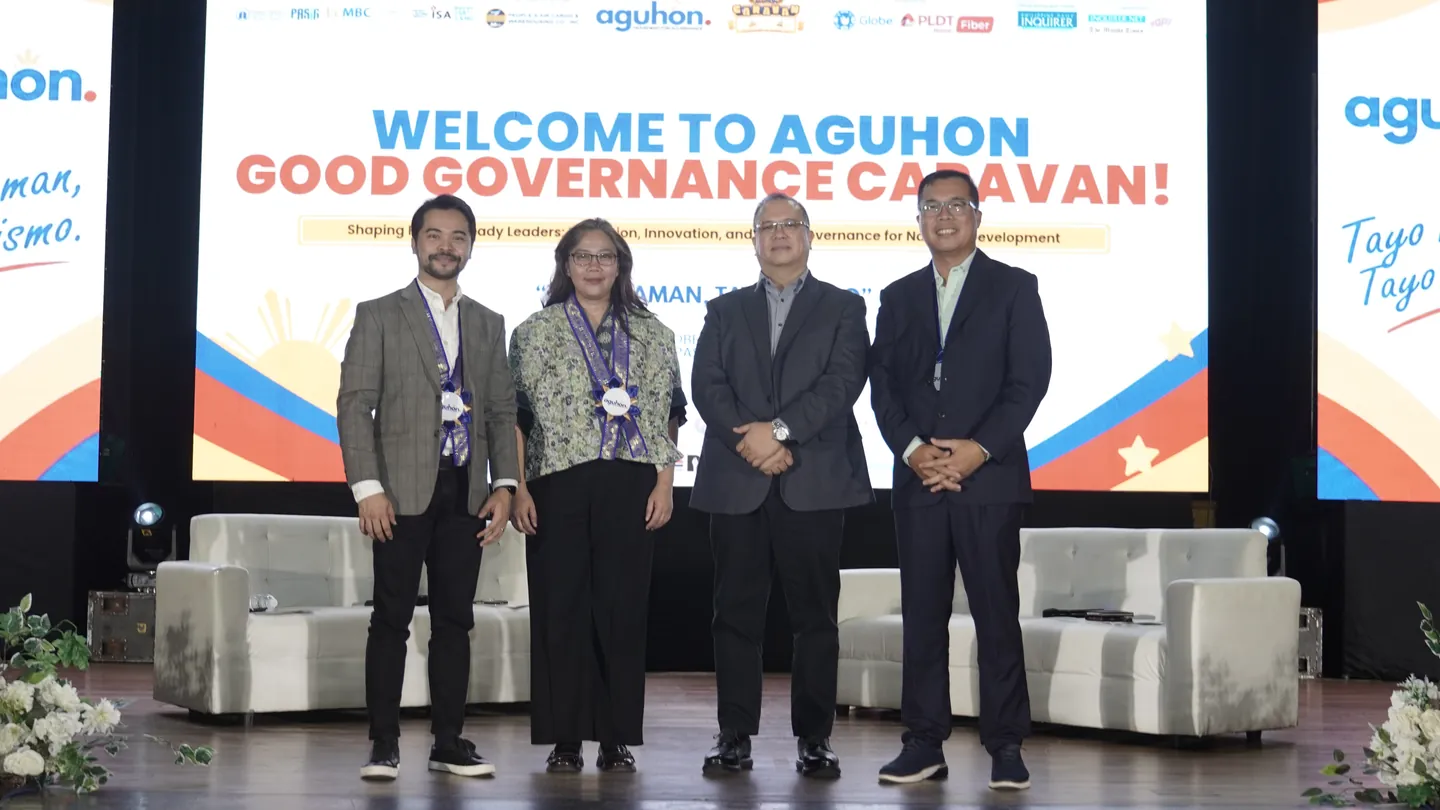
The group’s work rests on the belief that good governance starts with informed citizens: people who can understand public issues, fact-check information, participate meaningfully, and hold institutions accountable. Future Ready Pilipinas 2026 was part of the Aguhon Movement for Governance Caravan 2026, under the theme “Shaping Future-Ready Leaders: Education, Innovation, and Good Governance for National Development.”
Trust, accountability, and resilience
Bagro’s presentation looked at how institutions can build trust and resilience as artificial intelligence and blockchain reshape the way government and business work. Both technologies are leaving the “emerging” category and becoming everyday infrastructure. The institutions that govern, regulate, and adopt them now have to keep pace.
It is a subject he has spoken on before. At DOST-ASTI’s ASTICon 2024, his talk was titled “Building the Network of Trust: Blockchain & AI Use Cases in Government Agencies.” And in “The Last Mile of Digitalization,” he wrote that digitalization “is ultimately about two things: socialization and leadership.” People need to understand that the law already permits more than they think, and there must be buy-in from the very top. “Technology can make digitalization possible. But only leadership can make it happen at scale.”
Both ideas sit close to AMG’s own focus on informed citizens and accountable institutions.
About Atty. Third Bagro
Bagro brings legal, public service, and technology governance experience to the conversation. He has been a Senior Lecturer at the UP College of Law since 2016. He earned his Juris Doctor there, receiving the Dean’s Medal for Leadership, and placed 8th in the Philippine Bar Examinations. He also holds a Master of Public Administration from Syracuse University’s Maxwell School.
In government, he served as Undersecretary and Deputy Head of the Presidential Management Staff in the Office of the President, Undersecretary at the Department of Trade and Industry, and Chief of Staff at the Senate of the Philippines. His work outside government includes serving as a Resource Person for the Asian Development Bank and as Senior Country Representative for the US-ASEAN Business Council. At Twala, he applies that background to blockchain, digital identity, and technology governance.
Where this meets Twala’s work
Twala is a Supreme Court-accredited Electronic Notarization Facility, and its platform covers eSignatures, eNotarization, and AI for documents, with blockchain-based verification underneath. The three ideas in Bagro’s title each show up in how it is built.
Trust in digital transactions. Every document Twala seals carries a PKI digital signature, and HashOrigin anchors its fingerprint on a public blockchain, so anyone holding a copy can prove it hasn’t changed.
Accountability in how records are created and verified. During an eNotarization, AI-powered identity verification helps confirm that the person before the notary is the person named in the document, and the act is entered in the notary’s electronic notarial register when it is sealed. Twala’s AI follows the same principle. Lex names the files each answer drew on, and a change it proposes to a document goes in only when a person clicks Apply. We explain why in Using AI in Legal Practice Without Losing Control of the Work.
Resilience in institutional processes. Under the Supreme Court’s 2025 Rules on Electronic Notarization, a document can be notarized in person or remotely through an accredited facility. It can now be created, signed, notarized, and verified electronically, so a process no longer has to stop at the printer, the courier, or a trip to the notary’s office.
Future Ready Pilipinas came three days after the national launch of electronic notarization, where Bagro said, “Change happens fast when leaders go all in.” The launch audience was officials, lawyers, and executives who run institutions today. At Future Ready Pilipinas, many of the people listening were young Filipinos who will run them next.
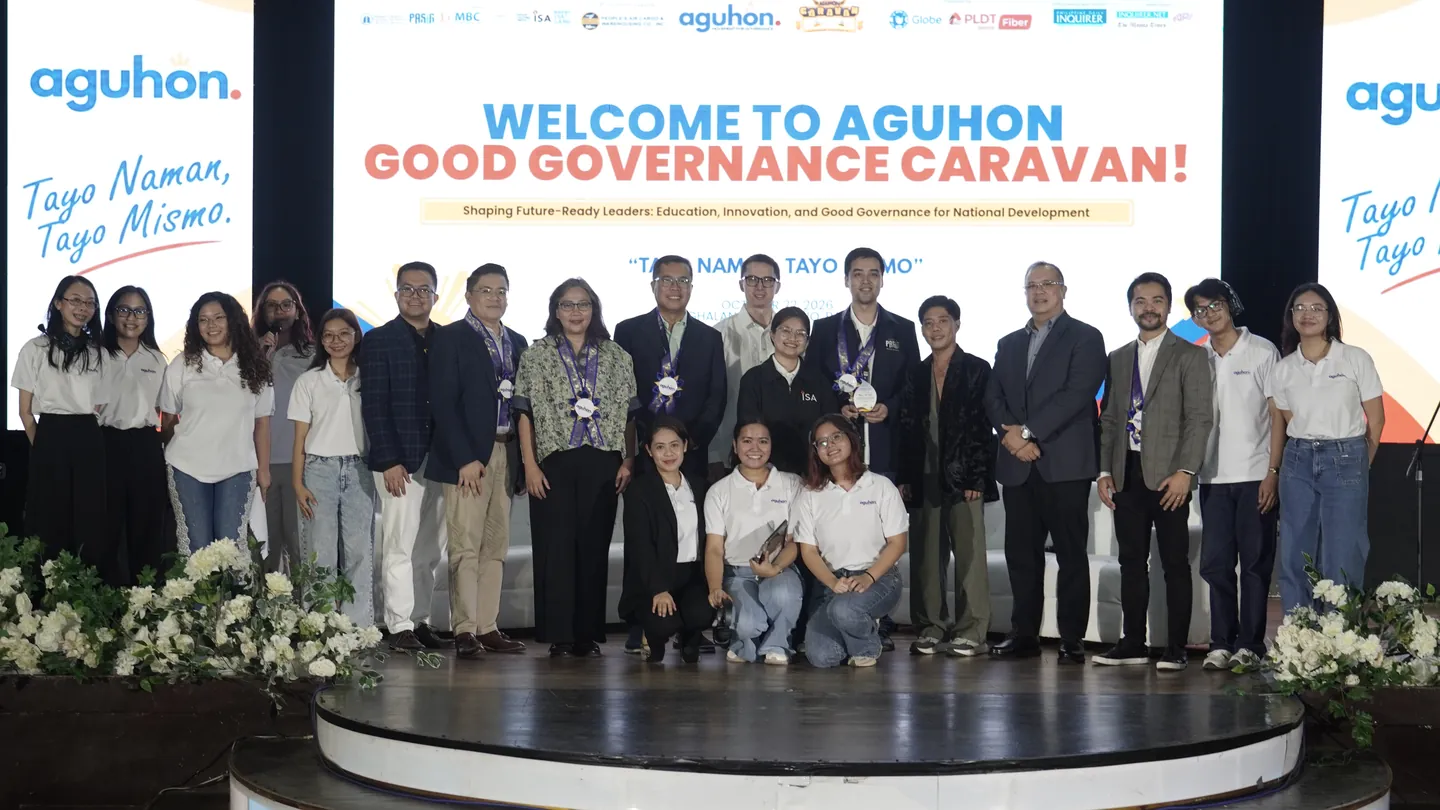
Twala thanks the Aguhon Movement for Governance, Inc. for the invitation and looks forward to continuing the conversation with AMG and the young leaders it brings together.